
A retail store planogram is a visual merchandising diagram that shows how products should be arranged on store shelves, racks, and displays to maximize sales, improve product visibility, and create a consistent shopping experience. Retailers use planograms to determine product placement, shelf spacing, promotional displays, and inventory positioning so customers can easily find products while stores optimize space and increase revenue.
Retailers across supermarkets, fashion stores, electronics stores, and convenience outlets rely heavily on planograms to improve merchandising performance and customer navigation inside stores.
Introduction to Retail Store Planogram
Retail merchandising is not just about displaying products — it is about displaying them strategically.
This is where a retail store planogram becomes an essential tool for modern retailers.
A well-designed planogram ensures:
- Products are placed where customers naturally look
- High-margin products receive prime shelf placement
- Store layout remains consistent across multiple branches
- Shelf space is used efficiently
- Customers enjoy a better shopping experience
Retailers often combine planograms with consumer behavior data, store analytics, and merchandising strategies to optimize store performance.
For a deeper understanding of effective store layout design, you can explore this detailed guide on effective store layout and planogram strategy.
Launch Your Retail Store with Commrz
Start your retail or eCommerce business with the powerful commerce platform designed for modern brands.
Start FreeWhat Is a Planogram in a Retail Store?
A planogram in a retail store is a visual representation that shows where every product should be placed on shelves and displays.
Retailers use planograms to control merchandising strategy and improve product exposure.
Key purposes of a planogram include:
- Improving product visibility
- Increasing impulse purchases
- Standardizing store layouts
- Optimizing shelf space
- Managing inventory positioning
Large retail chains often distribute standardized planograms to multiple stores to maintain consistent product placement across locations.
Retail Store Planogram Example

A typical retail store planogram example shows how products should appear on shelves, including their position, spacing, and quantity.
For example, in a supermarket beverage aisle:
- Best-selling drinks are placed at eye level
- Bulk products are placed on lower shelves
- New products appear near aisle entrances
- Premium products receive highlighted shelf positions
This strategic arrangement improves customer engagement and boosts sales performance.
Retail Store Planogram Template

A retail store planogram template helps store managers design shelf layouts quickly and consistently.
Typical elements in a planogram template include:
- Shelf dimensions
- Product size and packaging
- Facing count for each product
- SKU placement order
- Promotion display rules
Retailers often export templates as a retail store planogram PDF so store staff can easily follow the layout while arranging shelves.
Types of Planogram Used in Retail
There are multiple types of planogram depending on merchandising goals and store size.
| Planogram Type | Description | Best Use Case |
|---|---|---|
| Product Placement Planogram | Shows exact shelf positions for products | Supermarkets and grocery stores |
| Space Management Planogram | Focuses on shelf space allocation | Large retail chains |
| Promotional Planogram | Used for seasonal campaigns and promotions | Festive sales displays |
| Visual Merchandising Planogram | Emphasizes aesthetics and product visibility | Fashion and lifestyle stores |
How to Read a Planogram in Retail

Understanding how to read a planogram in retail is essential for store staff and merchandisers.
A planogram typically includes:
- Shelf numbers
- Product images or SKU identifiers
- Facing count
- Stock quantity
- Placement instructions
Steps to follow when reading a planogram:
- Identify shelf levels and layout structure
- Place products from left to right as shown
- Maintain correct product facing counts
- Ensure spacing between items matches the diagram
- Verify shelf arrangement matches store layout
Planogram Warehouse Strategy
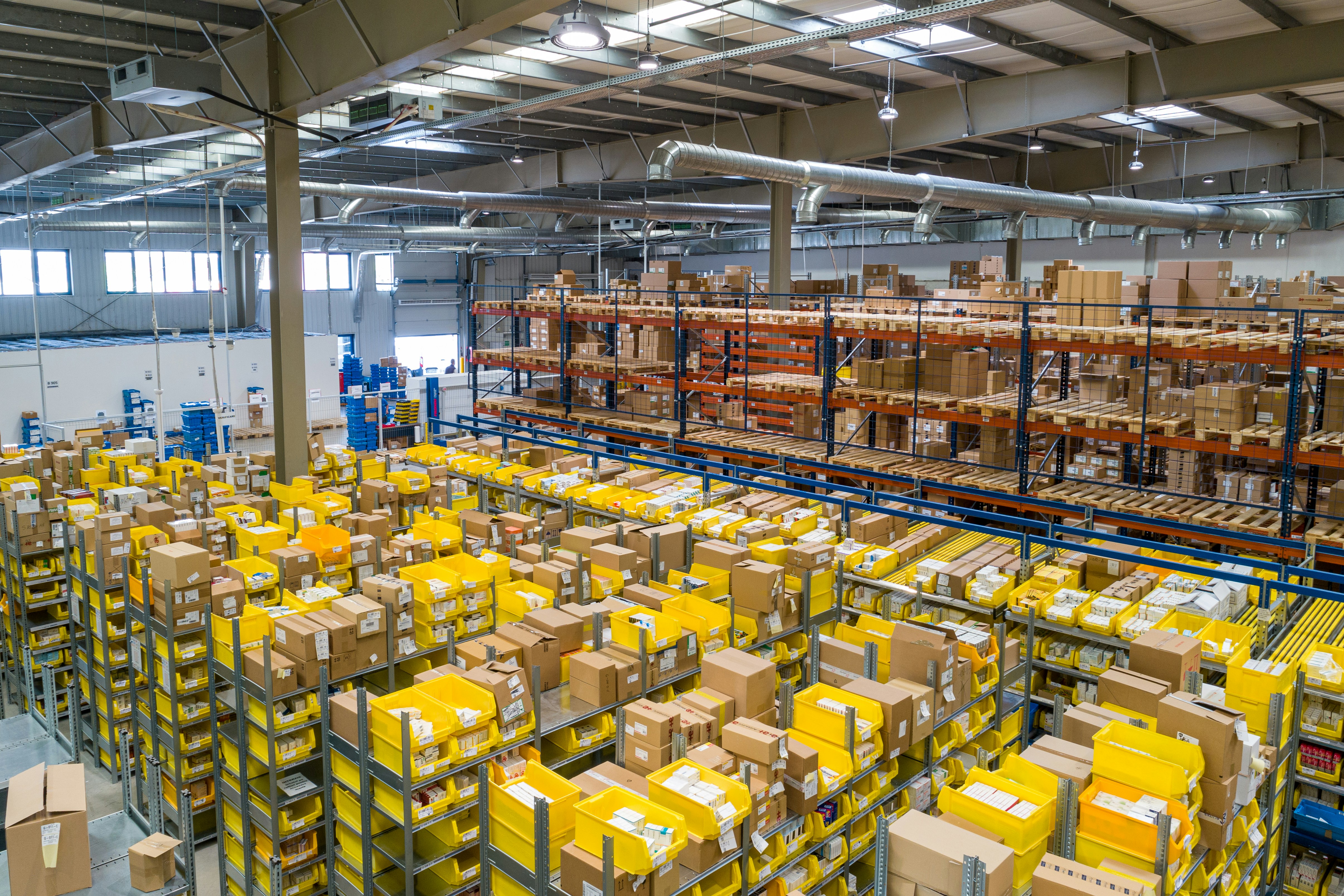
A planogram warehouse applies similar product organization principles used in stores to warehouse storage.
Warehouse planograms help businesses:
- Optimize warehouse storage space
- Speed up order picking
- Reduce inventory errors
- Improve operational efficiency
This is especially important for retailers operating both physical stores and online commerce channels.
Planogram Software Used by Retailers
Modern retailers increasingly rely on planogram software to automate shelf planning and merchandising decisions.
Planogram software offers:
- 3D shelf visualization
- Automated product placement
- Inventory synchronization
- Sales analytics integration
- Multi-store layout management
Retail brands often combine these tools with retail management platforms to monitor product performance.
How Commrz Helps Retail Businesses
Retail success today requires both physical merchandising strategy and strong digital commerce infrastructure.
Commrz helps retailers build and manage modern retail businesses efficiently.
With Commrz, retailers can:
- Launch a powerful eCommerce store
- Manage product catalogs and inventory
- Analyze product performance
- Scale online and offline sales
- Integrate retail operations seamlessly
If you want to explore more retail insights, visit the Commrz blog or read expert articles written by the Commrz team.
You may also find these guides helpful:
- How to Start a Luxury Clothing Brand
- Shopify vs Commrz for Jewelry Stores
- Best Platform to Sell Jewelry Online in India
Video: Understanding Retail Planograms
The 5 R’s of Retail
- Right Product – Sell products customers want
- Right Place – Position items where shoppers will see them
- Right Time – Stock products during demand peaks
- Right Price – Maintain competitive pricing
- Right Quantity – Ensure optimal stock levels
What Are the 4 Types of Store Layout?
| Store Layout | Description |
|---|---|
| Grid Layout | Common in supermarkets and pharmacies |
| Loop Layout | Guides customers along a circular path |
| Free Flow Layout | Encourages browsing and exploration |
| Diagonal Layout | Improves product visibility and supervision |
Frequently Asked Questions
What is a planogram in a retail store?
What are the 5 R’s of retail?
How to do planograms in retail?
What are the 4 types of store layout?
Why are planograms important in retail?
Build Your Retail Brand with Commrz
Create your online store, manage inventory, and scale your retail business with Commrz.
Start Free